PCOS and Exercise: What Actually Helps
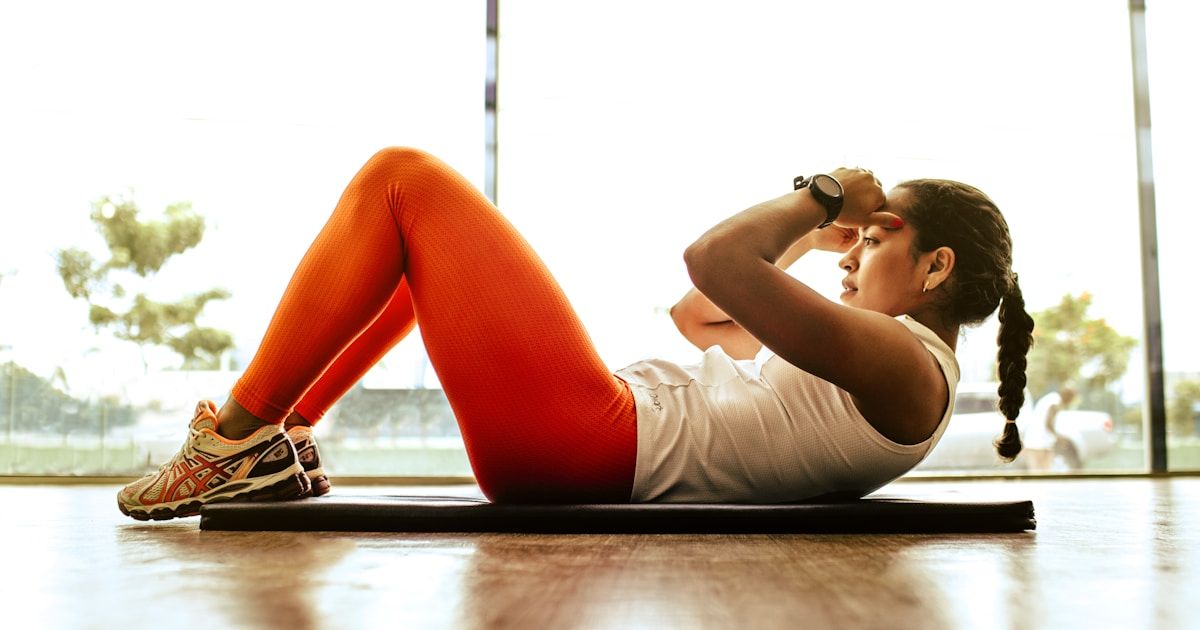
Polycystic Ovary Syndrome affects roughly 1 in 10 women of reproductive age, making it one of the most common hormonal conditions worldwide. Yet despite how prevalent it is, women with PCOS are often given vague advice — 'just exercise more and eat less' — that doesn't account for the unique hormonal dynamics at play.
The relationship between PCOS and exercise is both important and nuanced. The right kind of movement can be profoundly therapeutic. But the wrong approach — particularly one that ignores the body's stress response — can actually worsen symptoms.
Understanding PCOS and Why Exercise Matters
PCOS is fundamentally a hormonal and metabolic condition. While it presents differently in different women, the common threads typically include elevated androgens (male hormones like testosterone), irregular or absent ovulation, and often — though not always — insulin resistance.
Insulin resistance is particularly relevant to exercise. When cells become resistant to insulin, the body produces more of it to compensate. High insulin levels stimulate the ovaries to produce more androgens, which drives many of the most frustrating PCOS symptoms: irregular periods, acne, excess hair growth, and difficulty managing weight.
Exercise improves insulin sensitivity — meaning the cells respond better to insulin, less of it is required, and that entire downstream hormonal cascade is dampened. This is why movement is one of the most powerful lifestyle interventions available to women with PCOS.
The Best Types of Exercise for PCOS
Resistance Training
Strength training is consistently shown to be among the most effective exercise modalities for PCOS. It improves insulin sensitivity, reduces circulating androgens, supports healthy body composition, and builds functional strength that improves quality of life.
For women with PCOS, I typically recommend 2–3 strength sessions per week, focusing on compound movements: squats, deadlifts, presses, rows. These multi-joint exercises engage large muscle groups, which drives the greatest metabolic and hormonal benefit.
Moderate Cardio
Low-to-moderate intensity cardiovascular exercise — walking, cycling, swimming — supports insulin sensitivity and cardiovascular health without placing significant stress on the body's cortisol system. Aim for 30–45 minutes most days, but don't force it when your body is fatigued.
Mind-Body Movement
Yoga and Pilates, while not typically the first recommendation for PCOS management, have shown benefit in clinical studies — particularly for reducing cortisol and improving psychological wellbeing. For women whose PCOS is strongly influenced by stress, these modalities can be a valuable complement to strength training.
What to Be Careful About
High-Intensity Training Without Recovery
This is where many well-meaning women with PCOS go wrong. High-intensity interval training (HIIT) has become enormously popular, and it can be useful — but doing it daily, or doing it in an already stressed, under-recovered state, can backfire.
Intense exercise is a stressor. In small, well-managed doses, that stress drives positive adaptation. But for women with PCOS who already tend to have elevated cortisol, excessive high-intensity training can raise cortisol further, worsen insulin resistance, disrupt sleep, and amplify hormonal imbalance.
This doesn't mean avoid HIIT entirely. It means use it strategically — no more than 1–2 sessions per week, and only when you've slept well and feel genuinely recovered.
Overtraining Driven by Weight Concerns
PCOS often makes weight management more difficult due to insulin resistance and the effect of androgens on fat distribution. This can lead women to train excessively in an attempt to compensate. But more exercise is not always better — especially when it comes at the cost of recovery, sleep, and hormonal balance.
Working more, eating less, and sleeping poorly is the fastest route to making PCOS symptoms worse, not better.
A Framework That Actually Works
Based on both research and years of working with women who have PCOS, here's what I've found most consistently effective:
Prioritise 2–3 strength sessions per week. Add gentle cardio on other days — walking is genuinely excellent. Keep at least one full rest day. Sleep 7–9 hours; this is not optional. Manage stress actively.
PCOS responds beautifully to consistency, not intensity. Small, sustainable habits compounded over months create real hormonal change — far more than aggressive programmes that burn you out in six weeks.
If you have PCOS and want to build a training approach that works with your body rather than against it, I'd love to help. Let's start with a conversation.
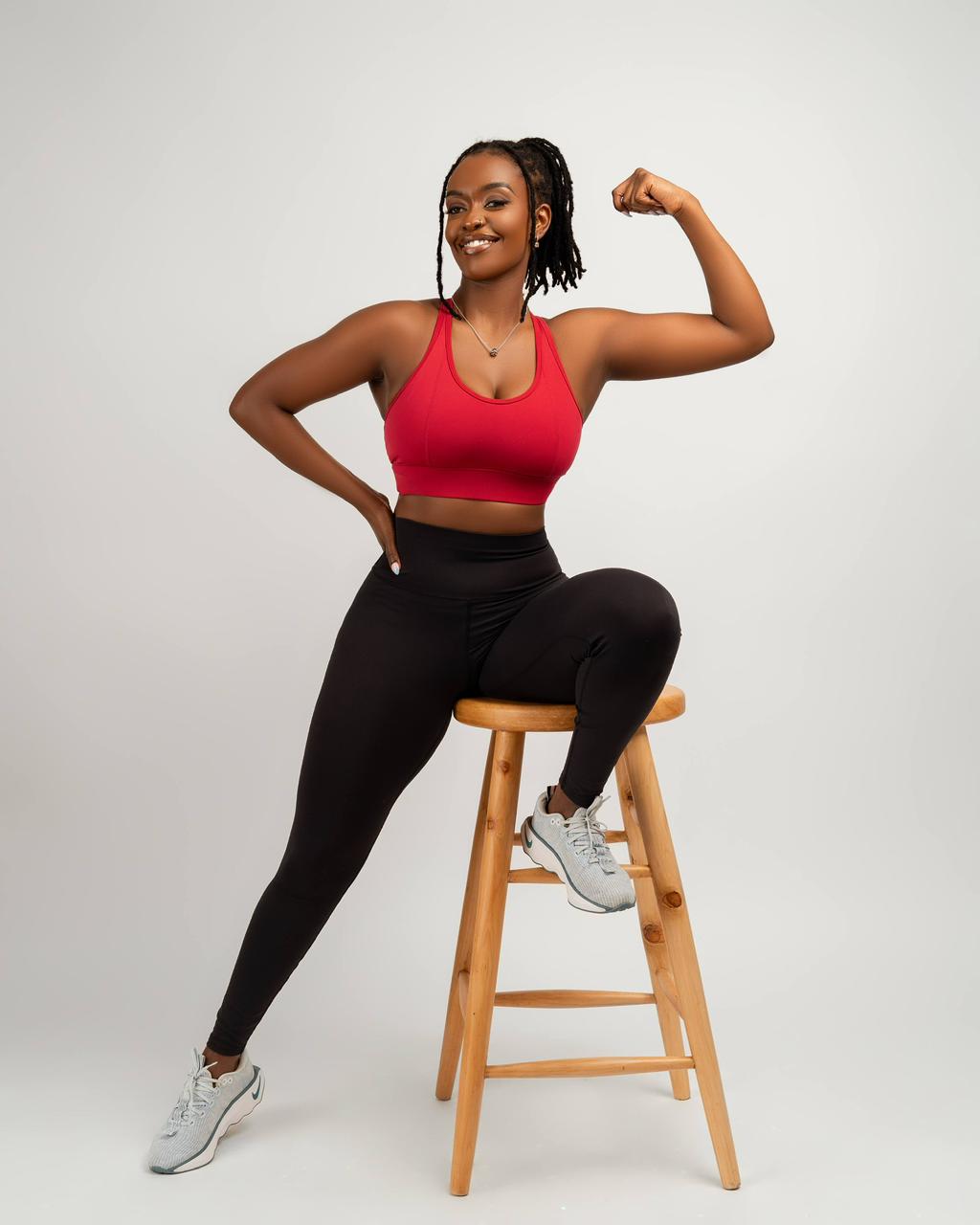
Mercy Waithira Mwangi
Certified Women's Health & Fitness Specialist · Dubai
Mercy is a certified women's health and fitness specialist based in Dubai, with expertise in prenatal and postpartum training, strength coaching, injury-aware programming, and hormonal health. She has coached over 1,000 women, helping them build strength, confidence, and resilience at every stage of life.
Want personalized advice?
Every body is different. Book a free consultation for guidance tailored to yours.
Book a Free Consultation