Nutrition for Recovery: Fueling Your Body After Pregnancy or Injury
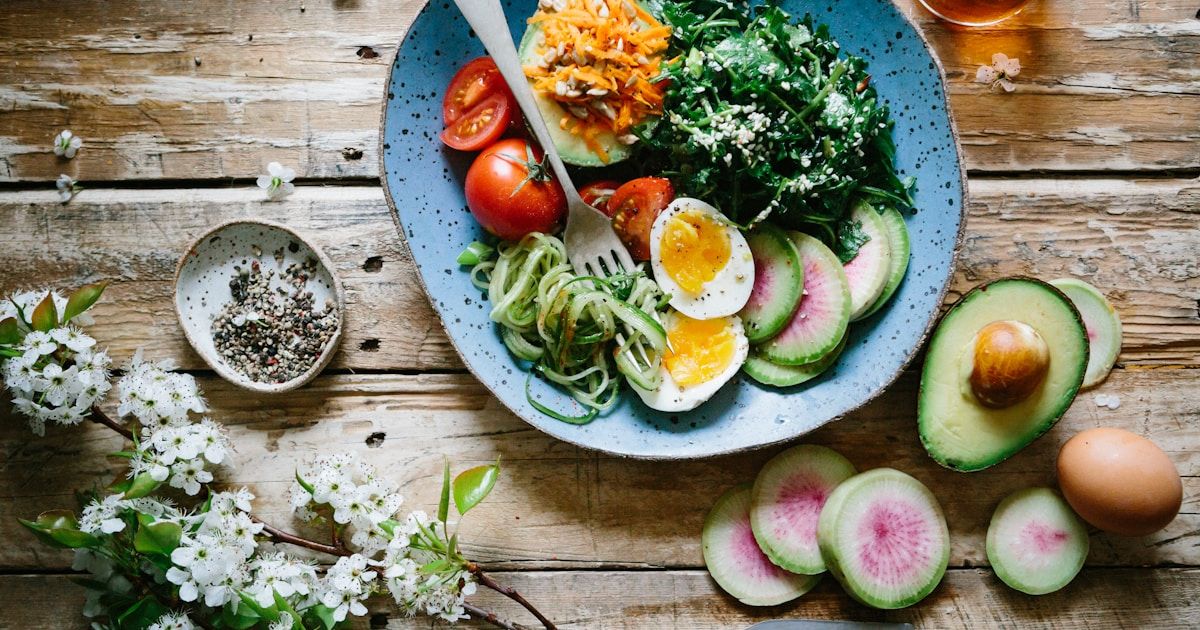
Recovery — whether from childbirth, a C-section, a muscle tear, or a stress fracture — is an active biological process. Your body is doing real work: building new tissue, managing inflammation, replenishing depleted stores, and restoring function. And like all work, it requires fuel.
Yet nutrition during recovery is one of the most commonly overlooked aspects of healing. Many women restrict food in the postpartum period out of a desire to 'get their body back.' Others under-eat during injury recovery without realising it's slowing their healing. In both cases, the body simply doesn't have the raw materials it needs to rebuild.
The Foundation: Eating Enough
Before we talk about what to eat, we need to talk about how much. Recovery — especially postpartum recovery — significantly increases your body's energy demands. If you are breastfeeding, your caloric needs increase by approximately 400–500 calories per day above your pre-pregnancy baseline. Even without breastfeeding, tissue repair is energetically expensive.
This is not the time for a caloric deficit. Restricting energy intake during the recovery period delays healing, reduces milk supply if you're breastfeeding, impairs sleep quality, and increases the risk of mood disorders. Give your body what it needs first. Weight management, if that's a goal, can be approached gently — and safely — once recovery is established.
The women I've seen recover fastest postpartum are the ones who nourished themselves first and worried about everything else later.
Protein: The Building Block of Recovery
Protein is the primary macronutrient for tissue repair. After birth or injury, aim for 1.6–2.0g of protein per kilogram of bodyweight daily. For a 65kg woman, that's approximately 104–130g of protein per day — spread across meals rather than consumed in one sitting.
Good sources: eggs, chicken, turkey, fish, Greek yoghurt, cottage cheese, legumes (lentils, chickpeas, black beans), tofu, tempeh, and quality protein supplements if needed to meet targets.
Don't neglect collagen-rich sources during soft tissue recovery: bone broth, slow-cooked meat, and collagen supplements provide proline and glycine — amino acids that are particularly important for tendon, ligament, and scar tissue repair.
Anti-Inflammatory Foods
Inflammation is a natural and necessary part of recovery — it's your body's first response to injury or birth trauma. But chronic, excessive inflammation slows healing and contributes to fatigue and pain. Certain foods can help manage this.
Prioritise: oily fish (salmon, mackerel, sardines) 2–3 times per week for omega-3 fatty acids. Colourful vegetables and fruits for antioxidants. Turmeric and ginger, which have genuine anti-inflammatory properties. Olive oil as your primary cooking fat.
Limit: ultra-processed foods, refined sugars, and seed oils in excess — all of which can drive inflammatory pathways.
Micronutrients That Matter Most
Iron
Blood loss during delivery — whether vaginal or via C-section — depletes iron stores. Fatigue, poor concentration, and slow recovery are common signs of iron deficiency. Red meat, dark leafy greens, lentils, and fortified cereals are good sources. Pair plant-based iron with vitamin C (lemon juice, bell peppers) to improve absorption.
Vitamin D and Calcium
Essential for bone healing and immune function. Dairy, fortified plant milks, fatty fish, and eggs contribute to both. In Dubai, despite abundant sunshine, vitamin D deficiency is common due to time spent indoors — testing and supplementing is often warranted.
Zinc and Vitamin C
Both are directly involved in collagen synthesis and wound healing. Sources: zinc from meat, shellfish, seeds and nuts; vitamin C from citrus fruit, strawberries, bell peppers, and broccoli.
Hydration
Often underestimated, hydration is critical for recovery. Water supports tissue repair, helps the kidneys clear metabolic waste, and — crucially for breastfeeding women — underpins milk production. Aim for at least 2.5–3 litres daily; more if you're exercising or in warm weather.
Good nutrition doesn't have to be complicated, but during recovery it does need to be intentional. If you'd like support building an eating approach that supports your healing and your energy — whether postpartum or returning from injury — I'm here to help.
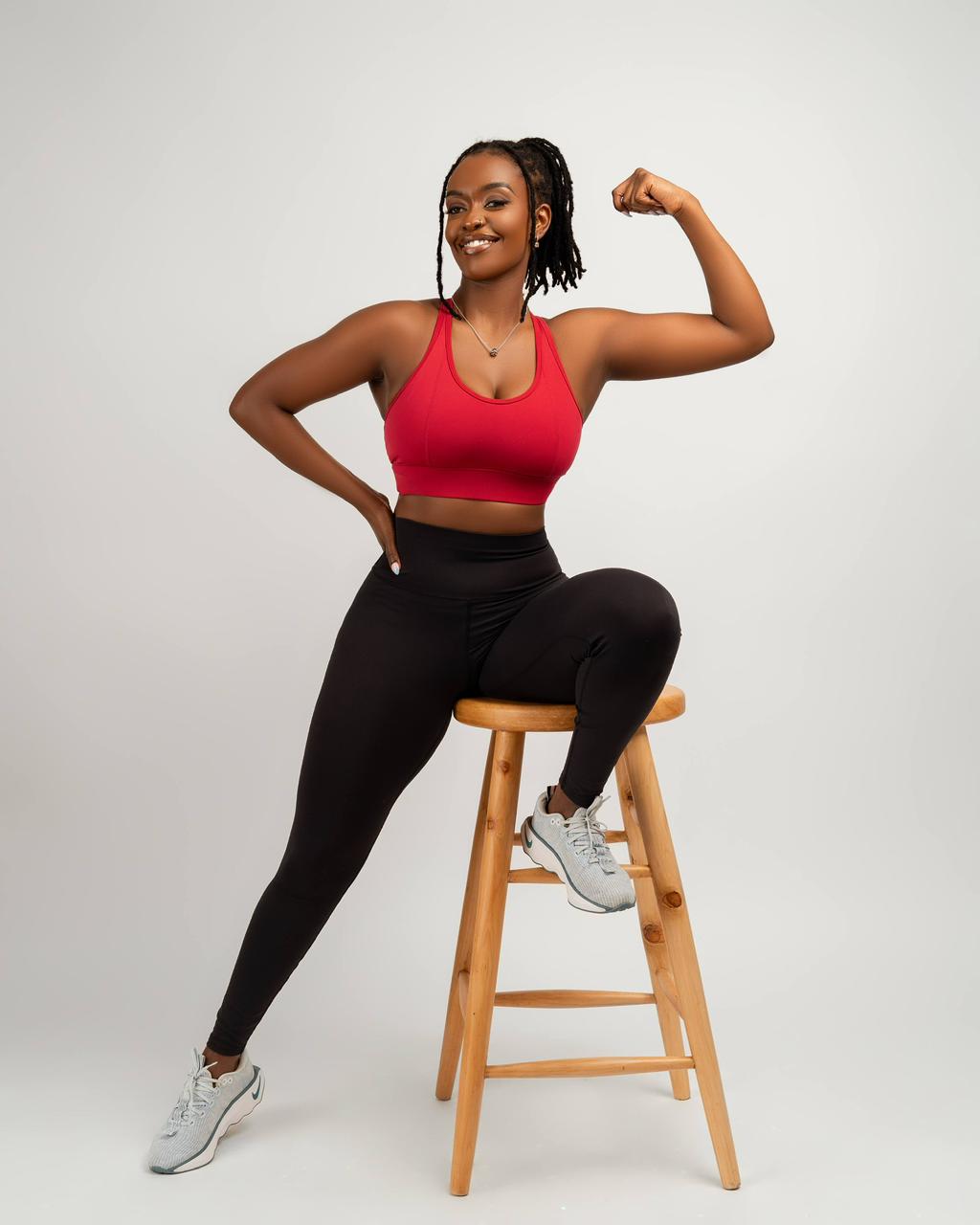
Mercy Waithira Mwangi
Certified Women's Health & Fitness Specialist · Dubai
Mercy is a certified women's health and fitness specialist based in Dubai, with expertise in prenatal and postpartum training, strength coaching, injury-aware programming, and hormonal health. She has coached over 1,000 women, helping them build strength, confidence, and resilience at every stage of life.
Want personalized advice?
Every body is different. Book a free consultation for guidance tailored to yours.
Book a Free Consultation