Postpartum Recovery: When to Start and How to Begin
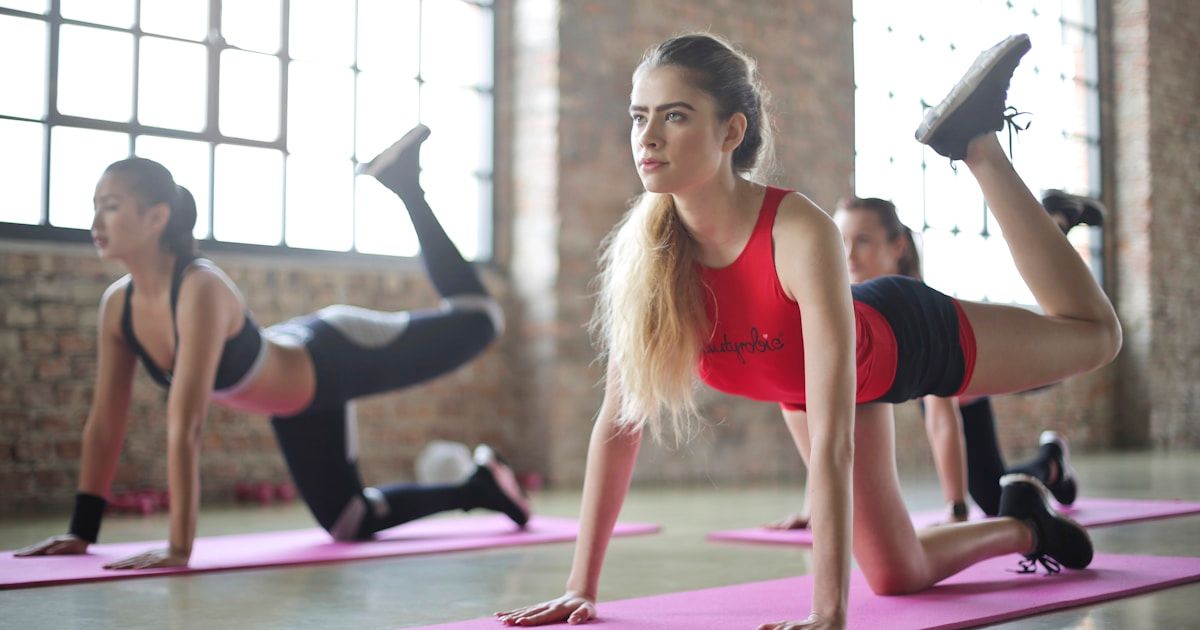
After giving birth, one of the most common questions I hear is: 'When can I start exercising again?' It's a completely understandable question — many women feel a strong desire to reclaim their bodies, reduce stress, and return to movement they love.
But the honest answer is: it depends. And the rushed answer — the generic '6-week clearance' — often misses what your body actually needs.
Why the '6-Week Clearance' Isn't the Whole Picture
The traditional 6-week postnatal check was designed to assess medical recovery — wound healing after a C-section, basic involution of the uterus, blood pressure. What it was not designed to do is assess whether your pelvic floor, core, and connective tissues are ready to return to exercise.
Many women receive clearance at 6 weeks and interpret that as 'you can do anything now.' Then they try to run, or jump, or lift heavy, and experience leaking, heaviness, pain, or prolapse symptoms — and believe something has gone wrong with them. Nothing has gone wrong. The system just didn't give them the right information.
Your body just spent 9 months growing a human and then went through one of the most physically demanding events it will ever experience. It deserves a recovery that matches that reality.
Vaginal Birth vs. C-Section Recovery
Vaginal Birth
In the early weeks, the focus should be rest, gentle movement like short walks, and beginning to reconnect with your pelvic floor. Even without visible tearing, the pelvic floor has been under significant pressure and load — it needs time and attention before returning to impact exercise.
Weeks 6–12 are typically appropriate for beginning a structured, graduated return to exercise — but this should start with low-load, low-impact work before progressing to running, jumping, or heavy lifting.
C-Section Recovery
C-section is major abdominal surgery, and recovery reflects that. The first 6 weeks are for protecting the wound and allowing the multiple layers of tissue that were cut to heal. This means no lifting heavier than your baby, no core exercises that create intra-abdominal pressure, and no rushing.
From around 8–12 weeks (and only when the wound has healed and there is no pain), we can begin scar tissue mobilisation and very gentle abdominal reconnection work. The timeline for returning to full training is longer than vaginal birth — typically 12–16 weeks minimum — and must be completely individualised.
The Pelvic Floor: The Foundation of Everything
Whether you had a vaginal birth or a C-section, your pelvic floor needs attention postpartum. This group of muscles at the base of your pelvis supports your bladder, bowel, and uterus — and during pregnancy and birth, it experiences significant strain.
Signs that your pelvic floor needs more time and support before returning to exercise include: leaking when you cough, sneeze, or exercise; a feeling of heaviness or pressure in the pelvis; pain during exercise or sex; or difficulty fully emptying your bladder or bowel.
If any of these apply to you, working with a pelvic floor physiotherapist alongside a postnatal coach is the best investment you can make in your long-term health.
What a Safe Return to Exercise Actually Looks Like
Weeks 1–6: Rest, walking, pelvic floor activation. No formal exercise programme.
Weeks 6–12: Begin reconnecting with your core, gentle resistance training, and building tolerance for longer walks. Everything is light, intentional, and assessed week by week.
Weeks 12–24: Gradually reintroduce more load and complexity. Running, HIIT, and heavy lifting are not appropriate for most women until at least 3–6 months postpartum — and only once they've passed a structured return-to-running assessment.
Beyond 6 months: This is when we can start thinking about real progression, performance goals, and getting back to the things you love.
What I Want Every New Mother to Know
Returning to exercise postpartum is not about 'bouncing back.' That phrase implies there's somewhere to bounce back to — some previous version of yourself that was better than who you are now.
You've grown a person. Your body has changed, and some of those changes are permanent — and beautiful. The goal of postpartum training is not to erase what happened but to build strength, function, and confidence in this version of your body.
I work with women from 6 weeks postpartum onwards, and every single programme is built around where they are — not where they think they should be. If you'd like support on this journey, I'd love to hear from you.
Mercy Waithira Mwangi
Certified Women's Health & Fitness Specialist · Dubai
Mercy is a certified women's health and fitness specialist based in Dubai, with expertise in prenatal and postpartum training, strength coaching, injury-aware programming, and hormonal health. She has coached over 1,000 women, helping them build strength, confidence, and resilience at every stage of life.
Want personalized advice?
Every body is different. Book a free consultation for guidance tailored to yours.
Book a Free Consultation